Specializing in films, books, & adventures that can't be put in a box.
New Smoothie Challenge
30-Day Green Smoothie Challenge for Busy People delivers the same healthy protocol as before, but with completely fresh green drink recipes, updated content, new tips and tricks and more! If you’ve ever made the excuse that you don’t have time to blend a smoothie, this challenge is for you! P.S. You won’t be required to stop eating food! Click here to learn more.
Hot Off The Press!
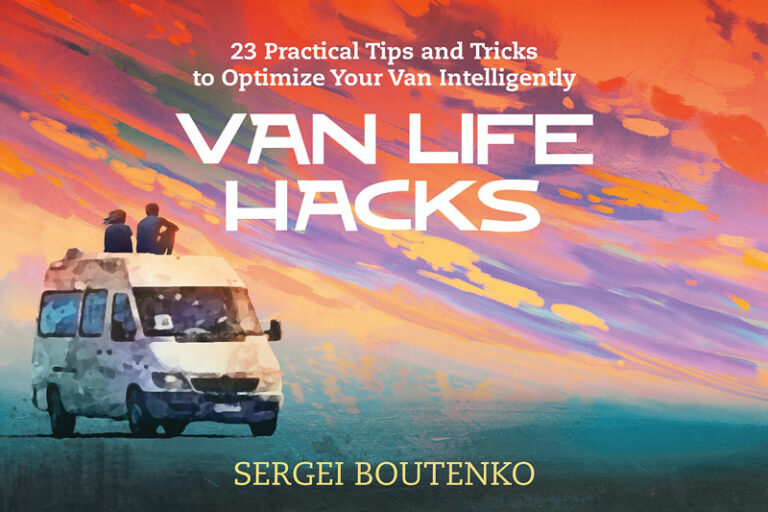
My new van life eBook is here! I’ve been tinkering with Mercedes-benz Sprinter vans, Ford Transits, and Dodge ProMasters since 2013. Before that my family owned and traveled exclusively in Chevy Astro vans. Over the years, I’ve learned some stuff. The new 71-page eBook unveils 23 useful tips and tricks geared toward van lifers. Readers will learn how to equip a commercial vehicle for business and pleasure. Let me show you how to save money, increase comfort, and have more fun on the road!
Hot Off The Press!
My new van life eBook is here! I’ve been tinkering with Mercedes-benz Sprinter vans, Ford Transits, and Dodge ProMasters since 2013. Before that my family owned and traveled exclusively in Chevy Astro vans. Over the years, I’ve learned some stuff. The new 71-page eBook unveils 23 useful tips and tricks geared toward van lifers. Readers will learn how to equip a commercial vehicle for business and pleasure. Let me show you how to save money, increase comfort, and have more fun on the road!
Learn How To Forage For 25 Tasty Plants
This month, I teamed up with Expand Yoga and Andrew Shepherd to produce a new wild edibles video. The YouTube video consists of two parts. Part one addresses all of the common-sense tips and tricks required for being a safe and responsible forager. Part two focuses on plants and their uses. Follow along as we cruise through a local park and look at 25 unique edible plants. Feel free to watch this video on your mobile device while you look for these same plants in your backyard! Read more here.
My Wild Edibles Book
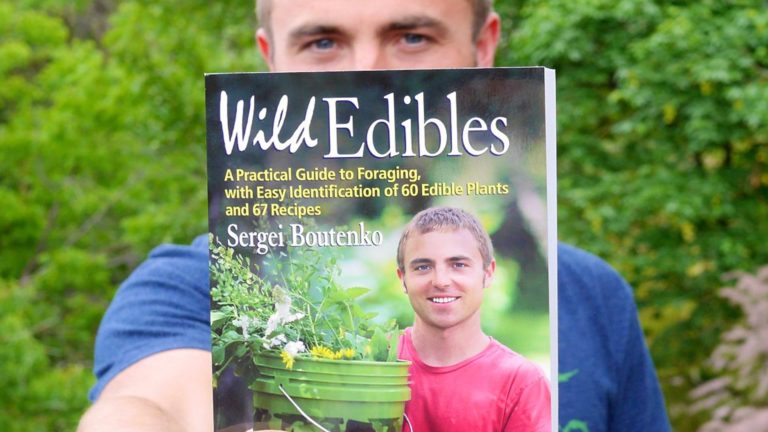
I’ve been gathering wild plants since I was 13, when, early on in a 6-month hike from Mexico to Canada my family and I ran out of provisions and turned to foraging for survival in the wild. Back in civilization, I became dismayed by the inferior quality of store-bought food and industrial agriculture, and began to regularly collect wild plants near my home and on my travels. I share knowledge gleaned from years of wildcrafting and thriving in my wild edibles book.
My Wild Edibles Book
I’ve been gathering wild plants since I was 13, when, early on in a 6-month hike from Mexico to Canada my family and I ran out of provisions and turned to foraging for survival in the wild. Back in civilization, I became dismayed by the inferior quality of store-bought food and industrial agriculture, and began to regularly collect wild plants near my home and on my travels. I share knowledge gleaned from years of wildcrafting and thriving in my wild edibles book.
Backyard Wild Edibles Tour
Foraging for wild edibles doesn’t have to be a chore. It can be as easy as stepping outside into your own backyard. Don’t know where to start? No problem! Join me on a digital weed walk and discover over a dozen new plants that will enrich your cuisine and improve your health. Feel free to watch first and forage later or, for extra bonus points, load the video on a mobile device and take me with you while you search for plants.
Improve Your Health One Mason Jar At A Time
Regular green smoothie consumption can help you lose weight, improve energy levels, reduce craving for bad food, and make you feel all around awesome! The new and improved 30-Day Green Smoothie Challenge offers yummy smoothie recipes, detailed ingredient shopping lists, and valuable tips and tricks that will help make your new healthy habit stick. Give it a try; you won’t regret it! Watch the movie for free on YouTube and get the satellite eBook below for easy access to recipes, shopping lists and more.
$15.00
Improve Your Health One Mason Jar At A Time
Regular green smoothie consumption can help you lose weight, improve energy levels, reduce craving for bad food, and make you feel all around awesome! The new and improved 30-Day Green Smoothie Challenge offers yummy smoothie recipes, detailed ingredient shopping lists, and valuable tips and tricks that will help make your new healthy habit stick. Give it a try; you won’t regret it! Watch the movie for free on YouTube and get the satellite eBook below for easy access to recipes, shopping lists and more.
$15.00
Vitamix Is My Blender Of Choice
I’ve used many different blenders over the span of 24+ years in the health food world. I’ve tried Blendtec, Ninja, Magic Bullet and dozens more. I’ve also been to 66 countries and used countless domestic machines made by competitor brands. Despite such extensive trials, I always return to my Vitamix. It’s a simply the best! Vitamix blenders are durable, last a long time, and have the best warranties in the game. That’s why I recommend Vitamix!
Vitamix Is My Blender Of Choice
I’ve used many different blenders over the span of 24+ years in the health food world. I’ve tried Blendtec, Ninja, Magic Bullet and dozens more. I’ve also been to 66 countries and used countless domestic machines made by competitor brands. Despite such extensive trials, I always return to my Vitamix. It’s a simply the best! Vitamix blenders are durable, last a long time, and have the best warranties in the game. That’s why I recommend Vitamix!

Video Services
Hire me to shoot your next viral flick. I produce quality videos from start to finish. I specialize in promotional videos for websites, documentaries, and YouTube content. I have a fun, unique style and 12+ years of experience.

Drone Services
In the market for aerial photos or videos? No problem! I’m an FAA certified drone pilot. I’ve gathered drone footage for Mercedes-Benz commercials, shot photos for exclusive real estate clients, and everything in between.

Request A Product Review
Do you have an interesting product you’d like to promote? I love reviewing cool products on my YouTube channel. So far, I’ve reviewed products in the health, fitness, electronics, and Sprinter van categories. Please see my work below.